
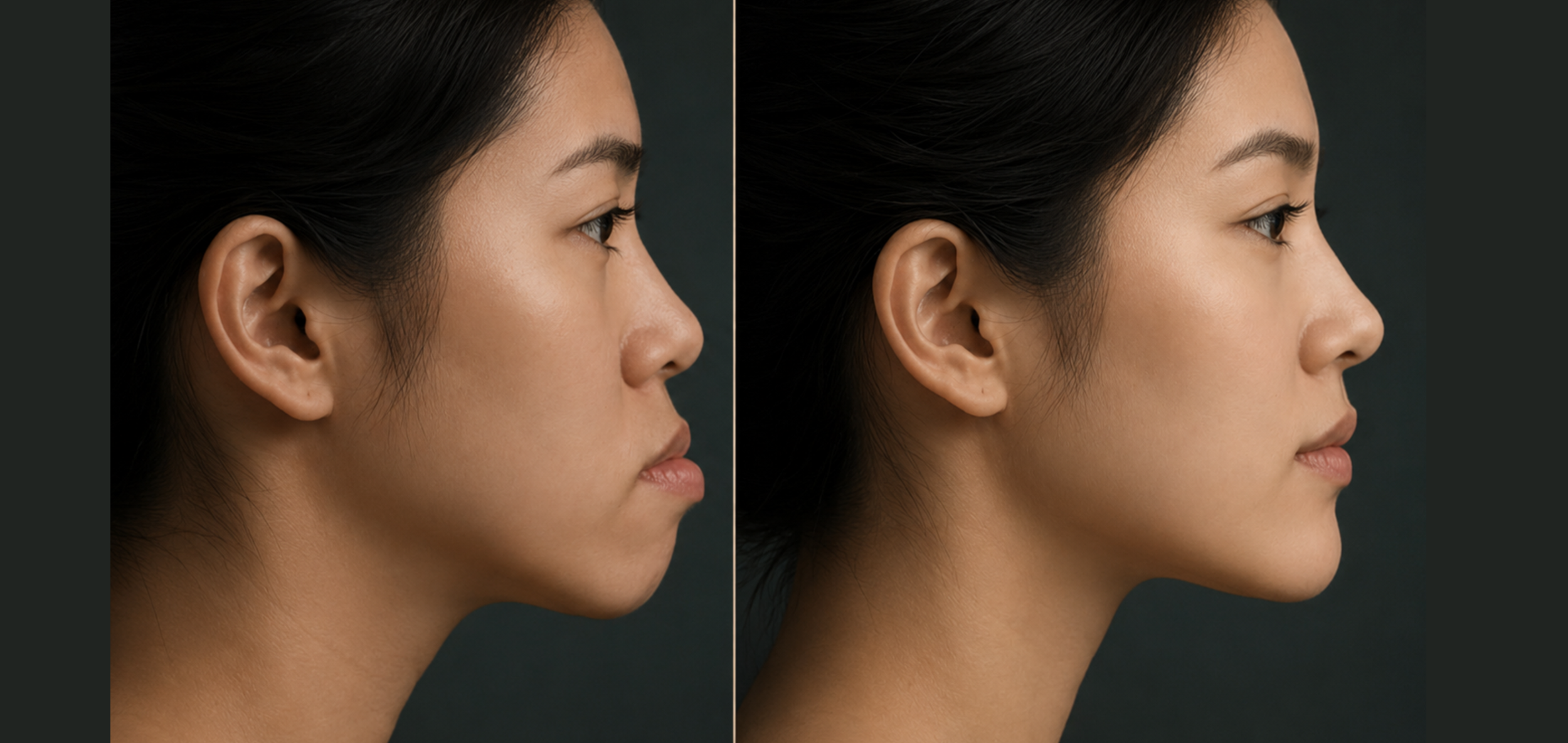
Orthognathic
-
The primary noun phrase used for the medical procedure that repositions the upper or lower jaws to correct structural, functional, or aesthetic issues.
Our goal is to provide clear information, personalized treatment planning, and compassionate care throughout your orthognathic surgery journey.Led by Dr. Priyantha Pang Lee Yek, Oral and Maxillofacial Surgeon, we combine modern digital planning, close collaboration with orthodontists, and hospital-based surgical care to help patients achieve improved facial harmony, bite function, breathing, and long-term oral health.
The journey to better bite, breath and facial harmony through Corrective Jaw Surgery
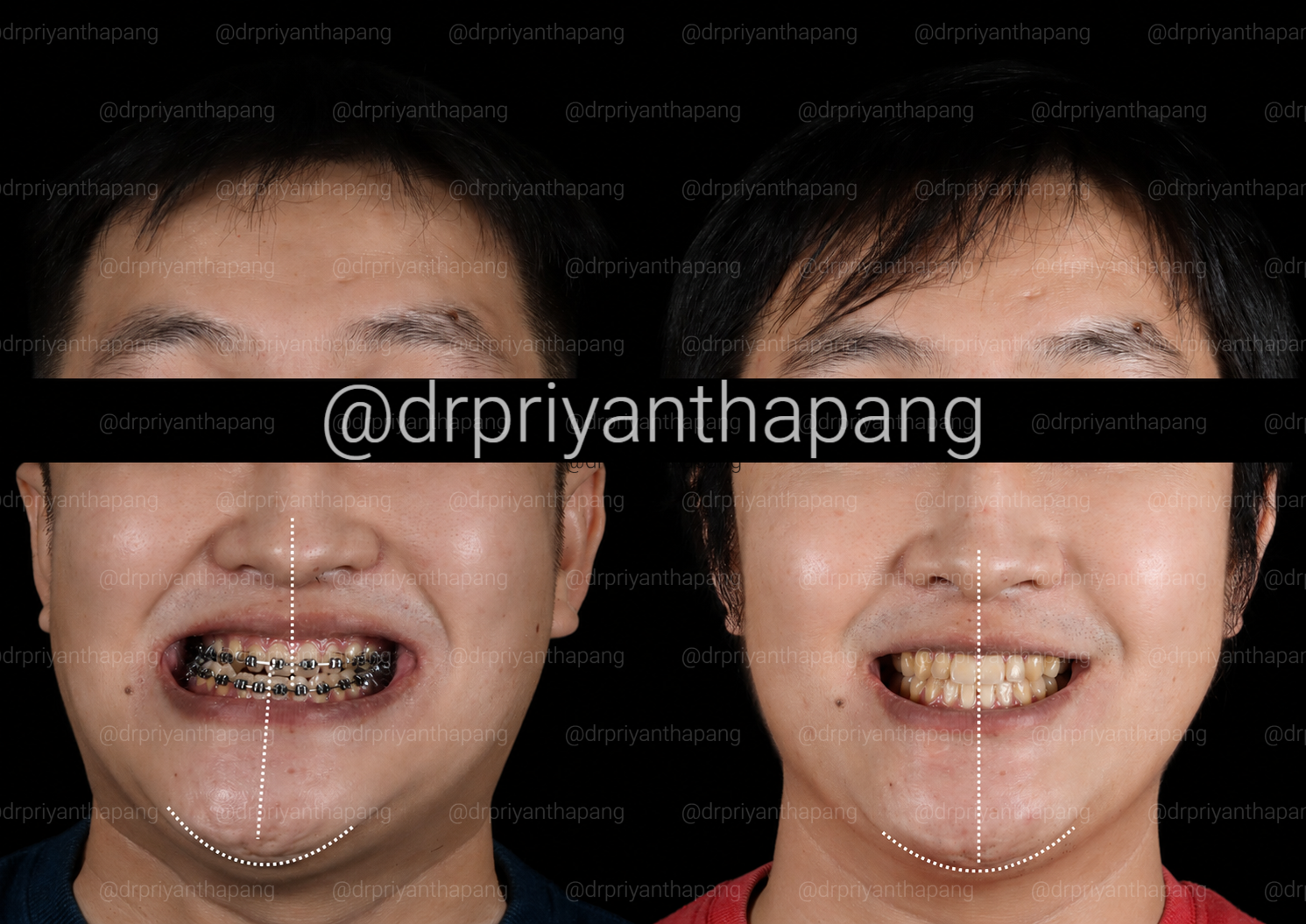
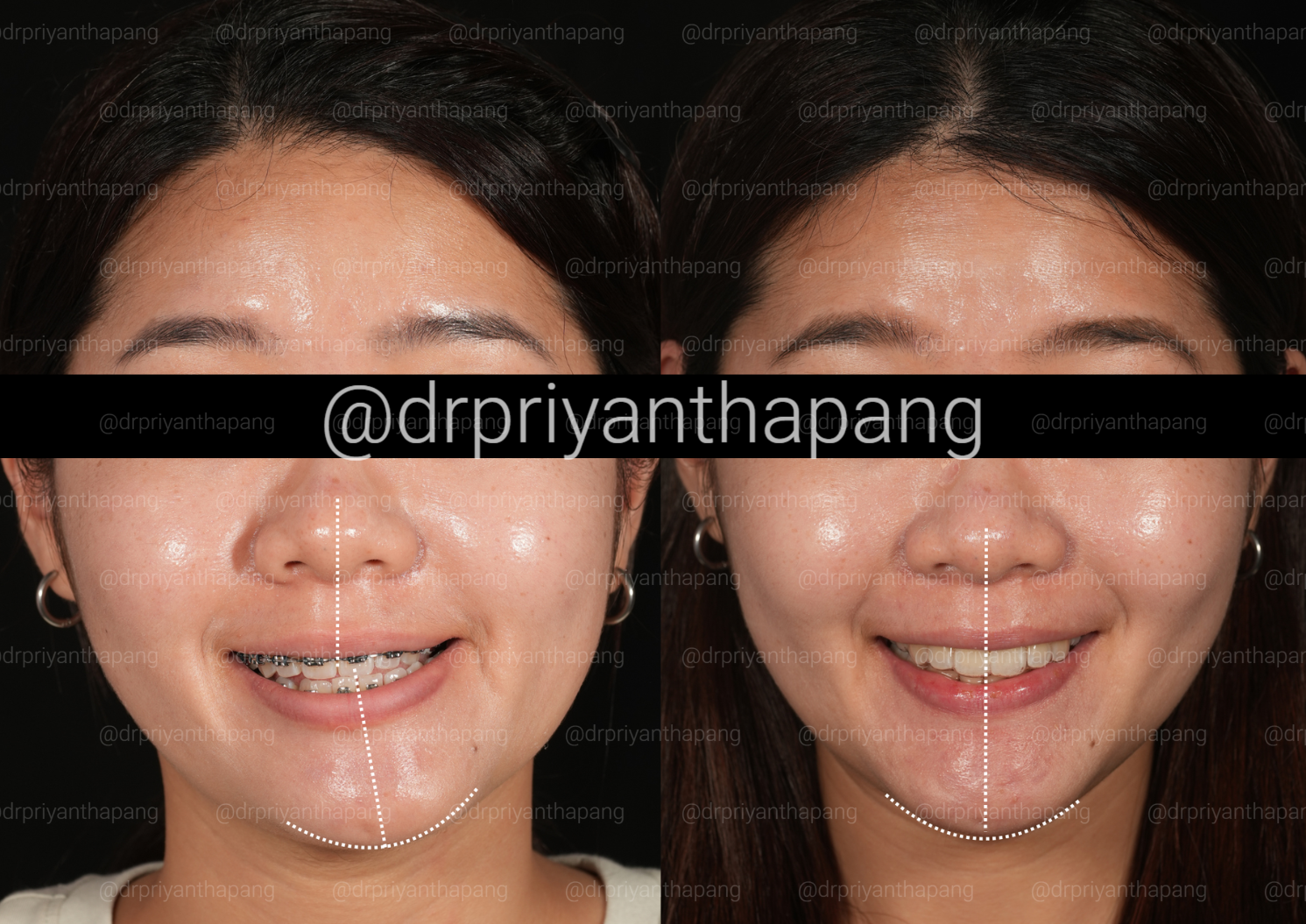
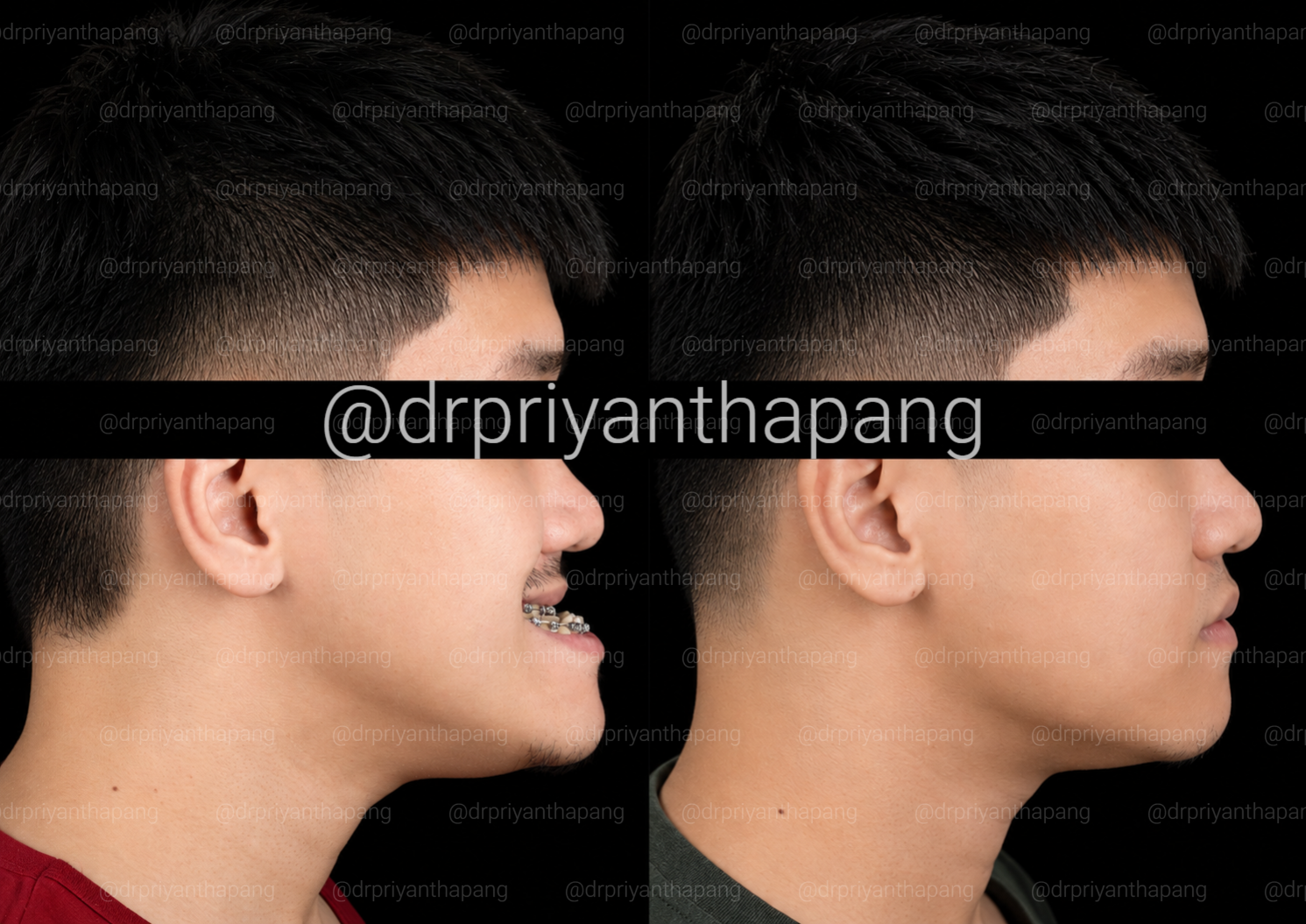
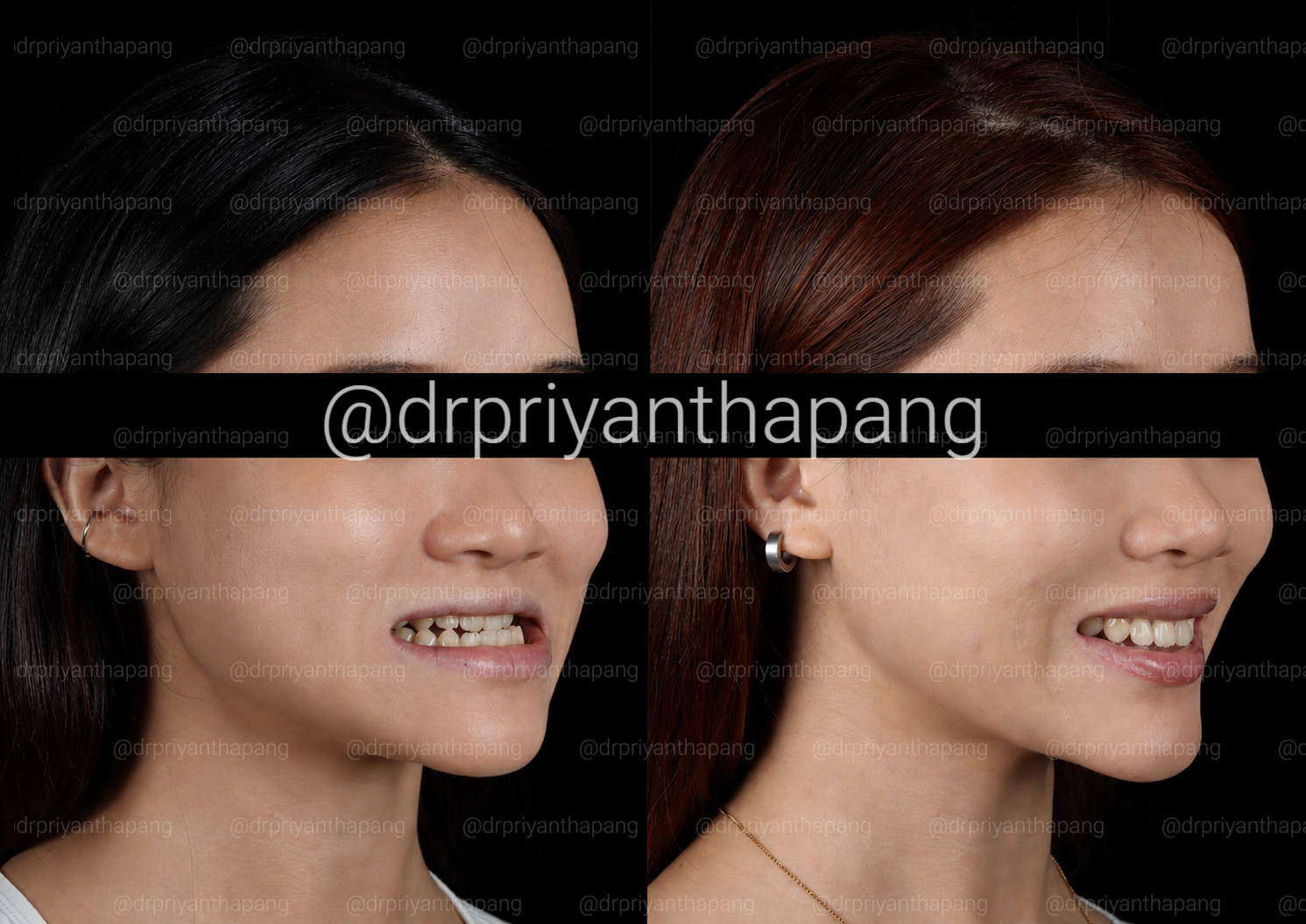
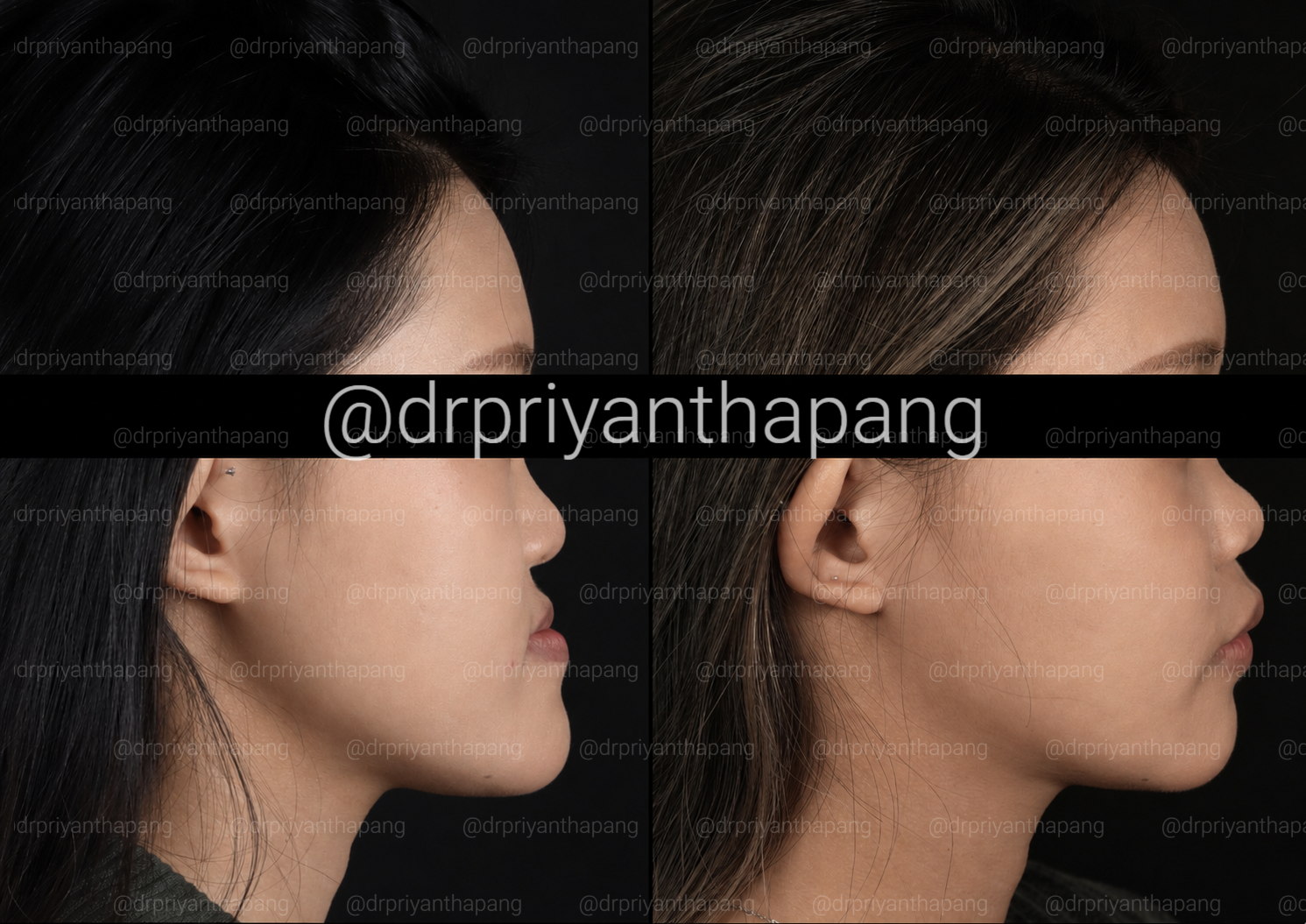
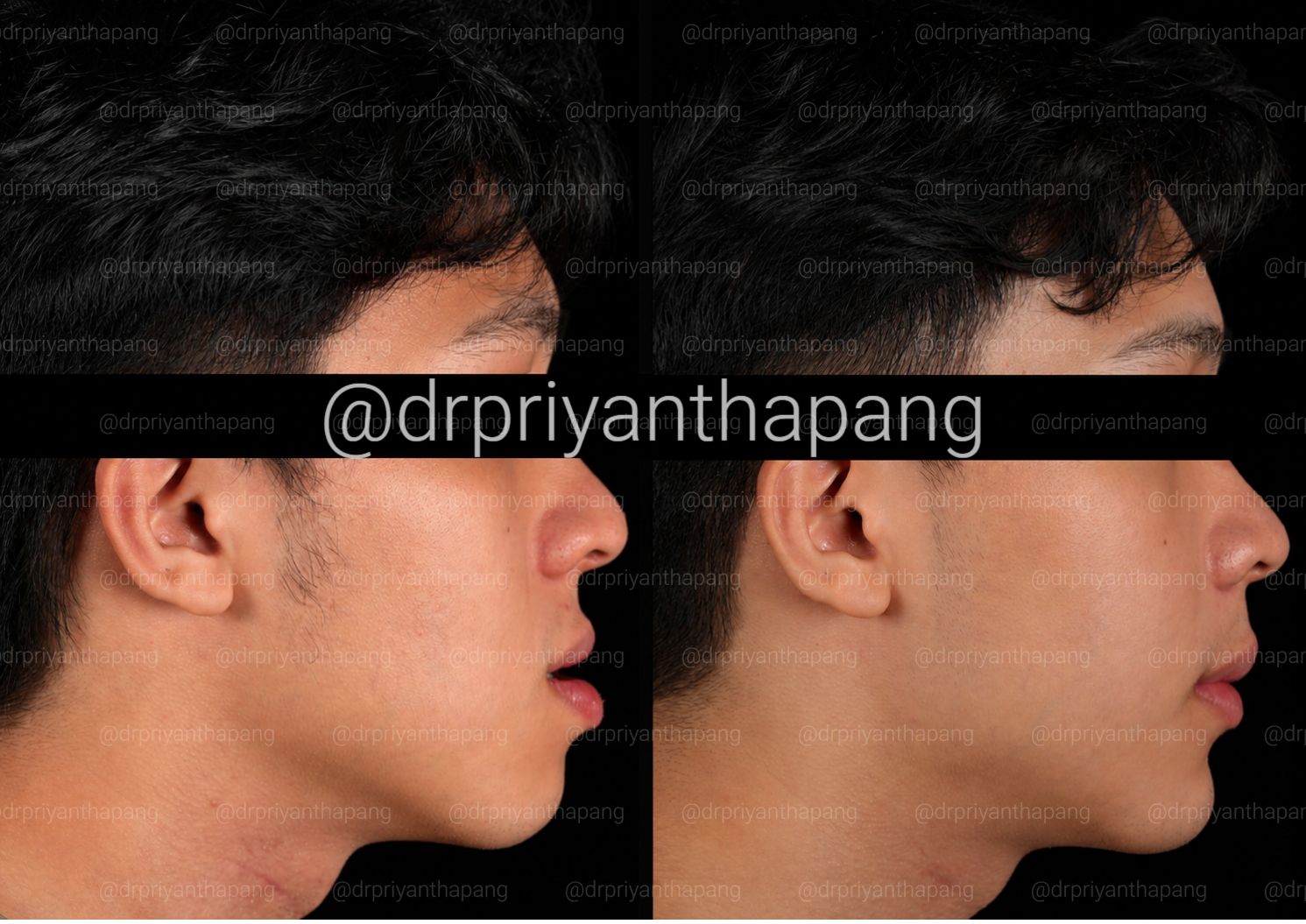
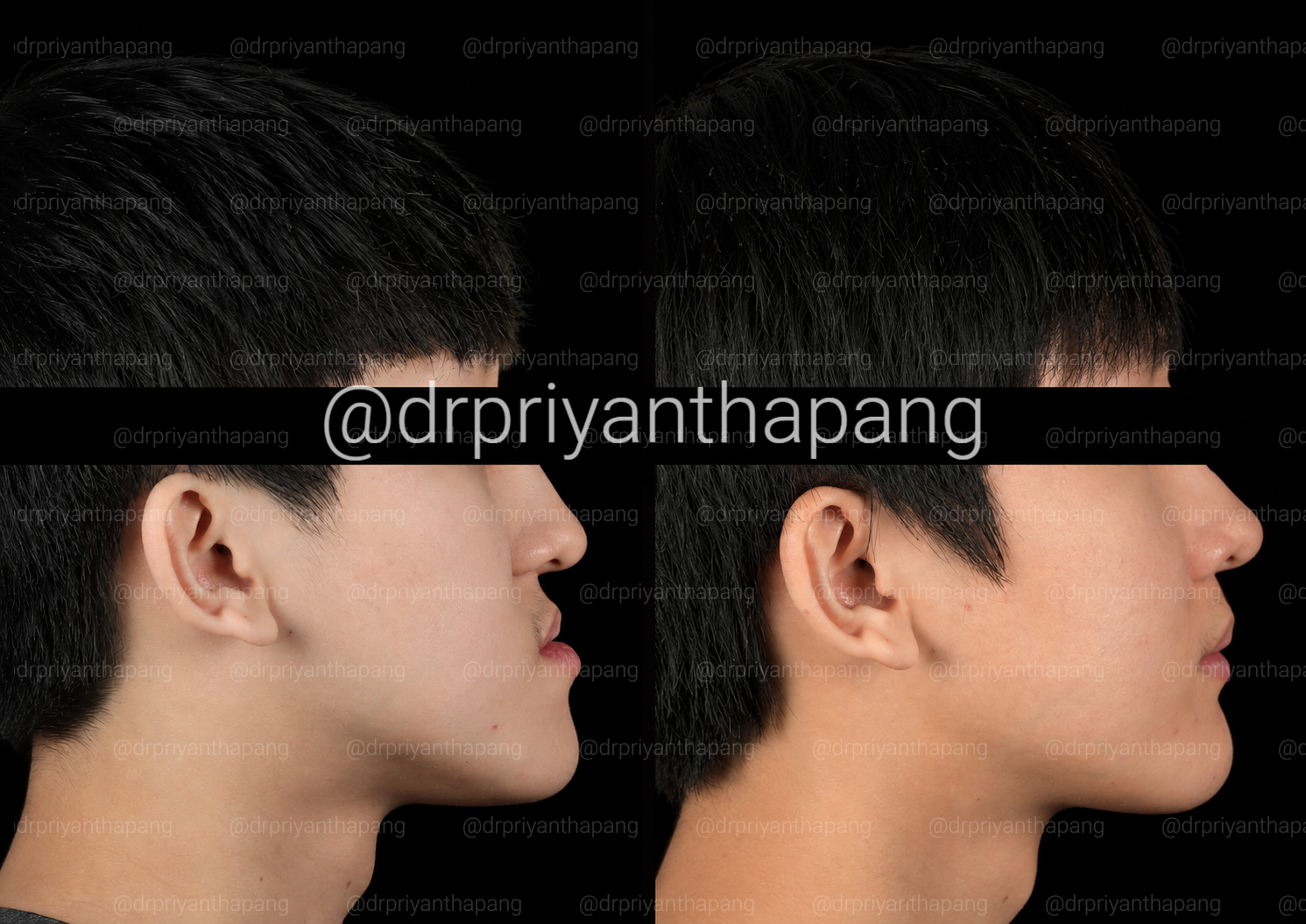
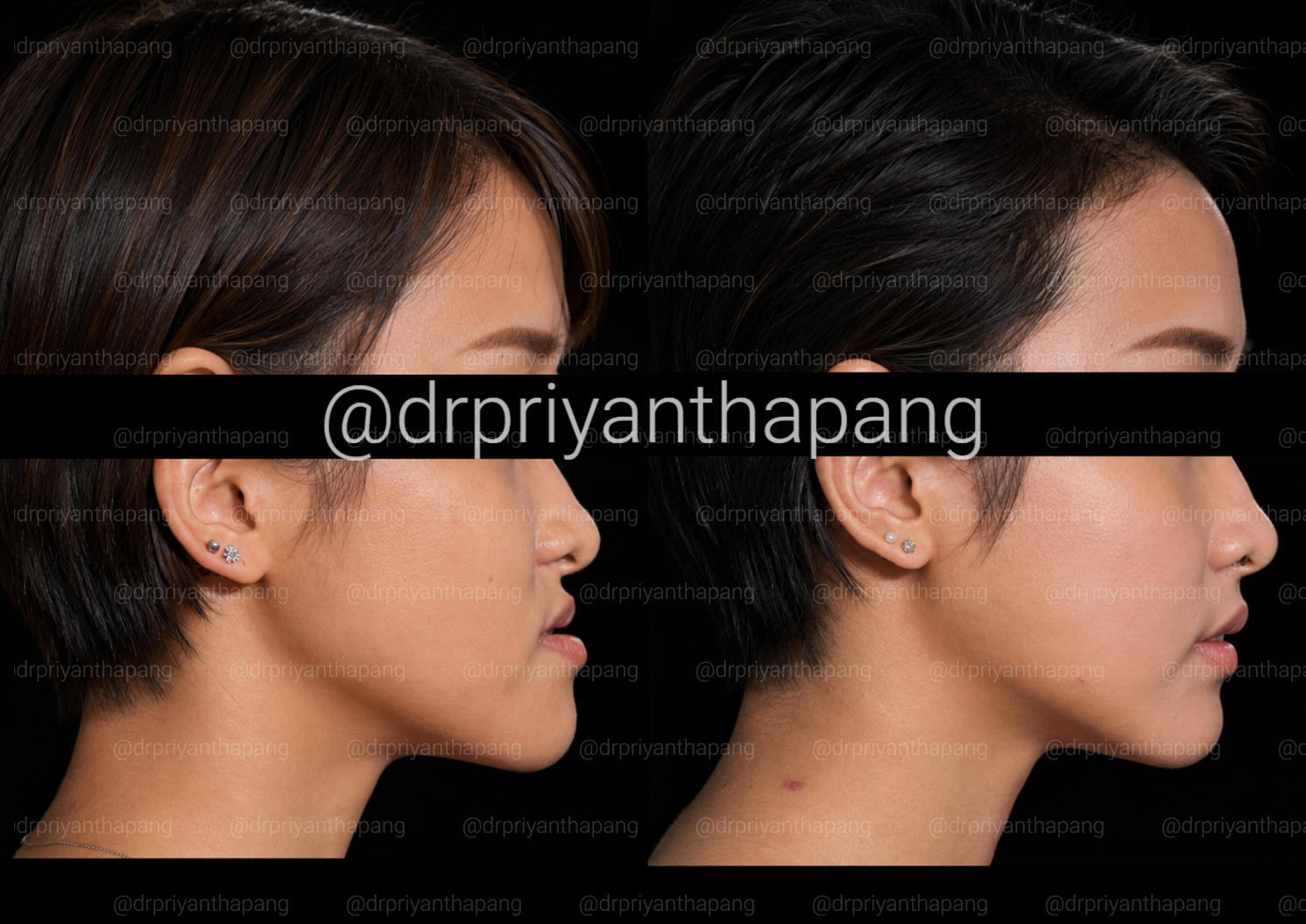
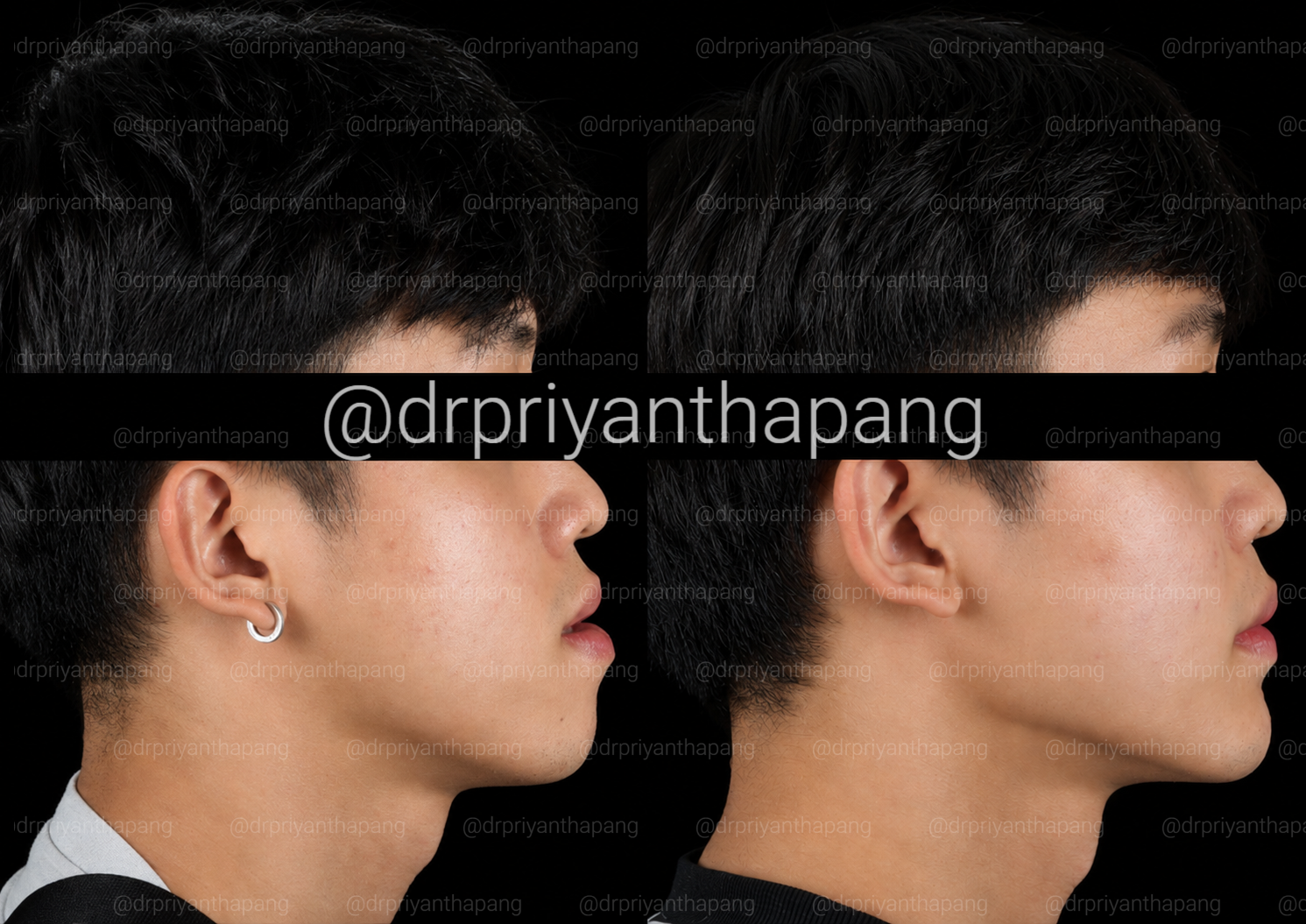
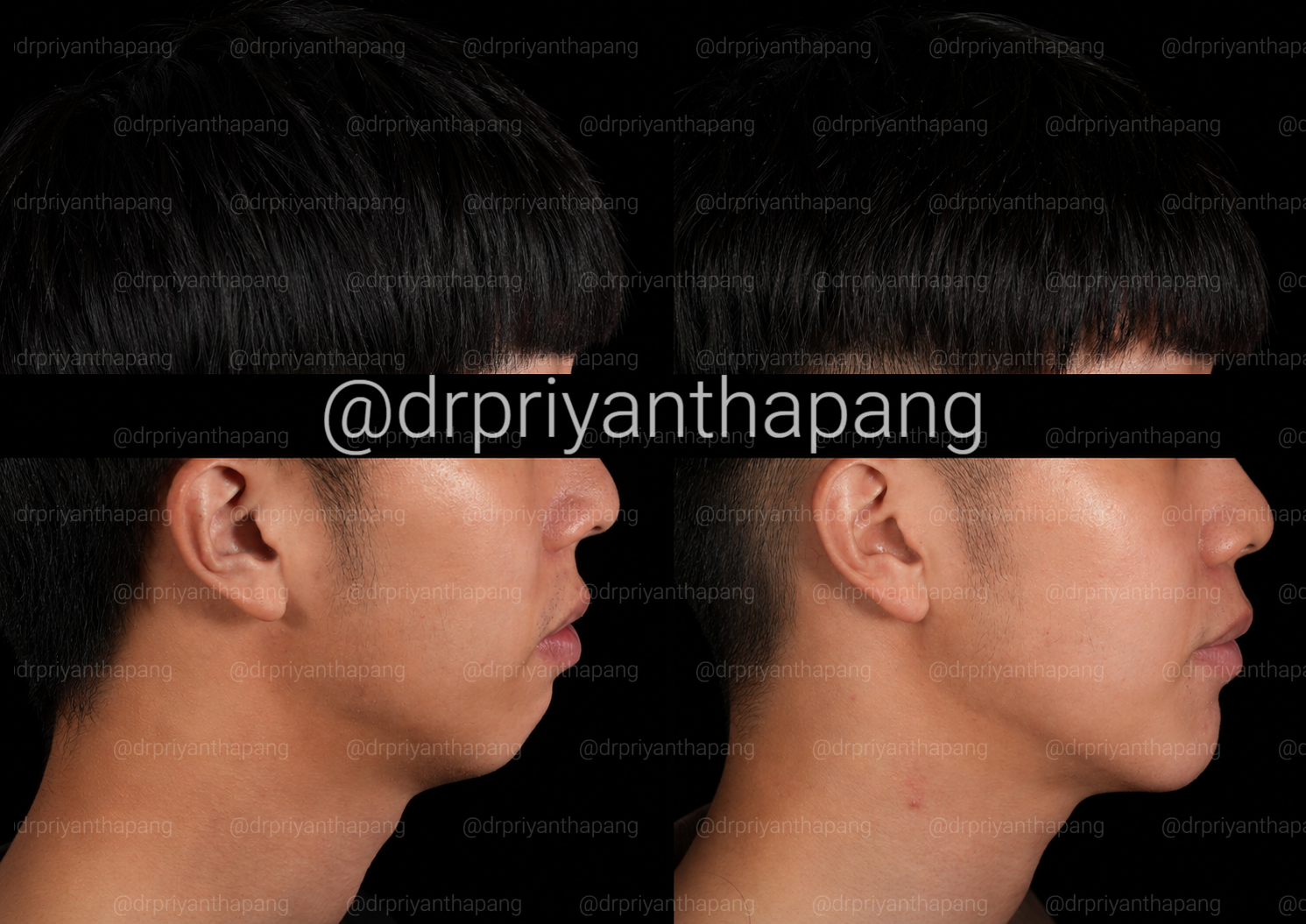
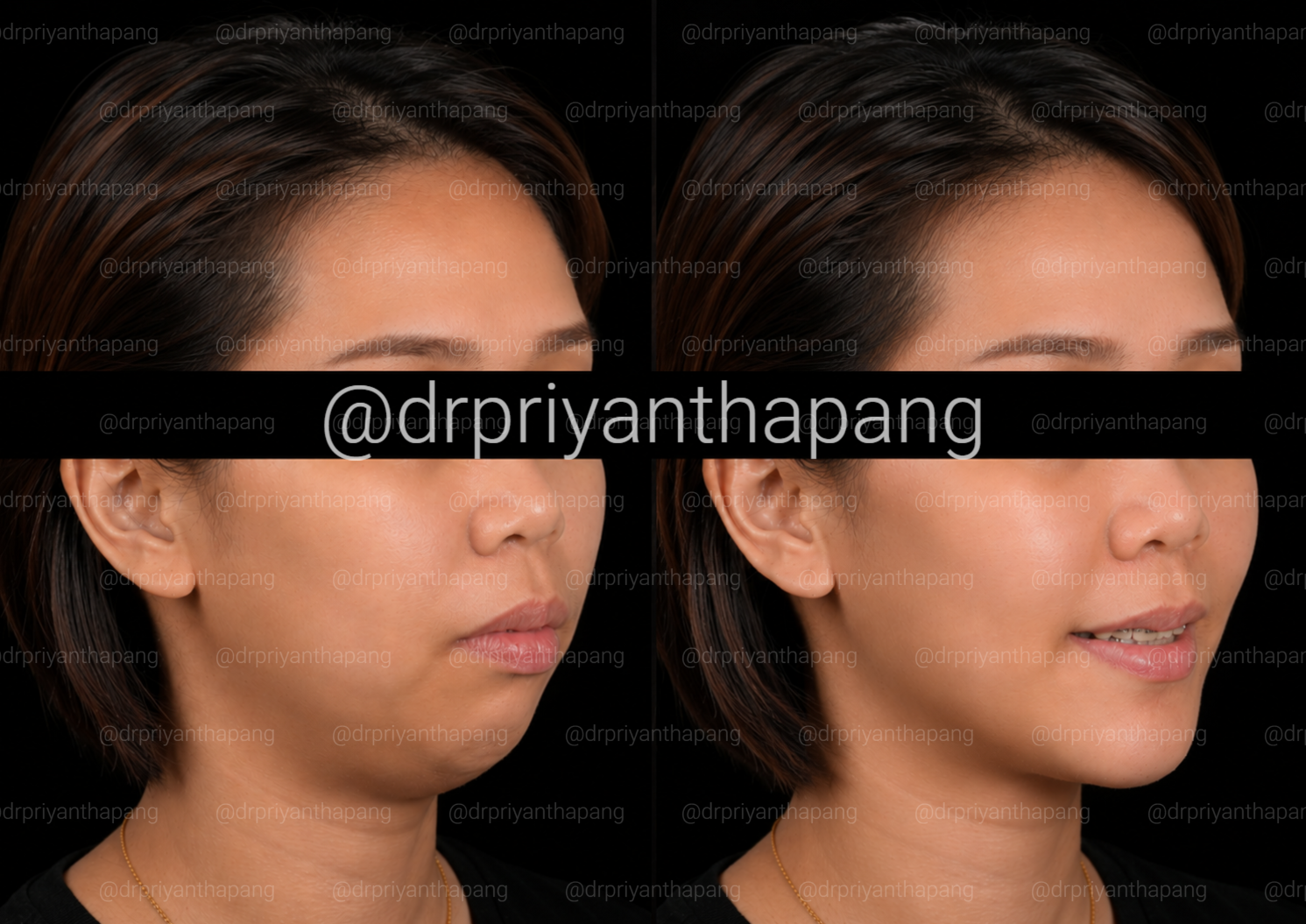
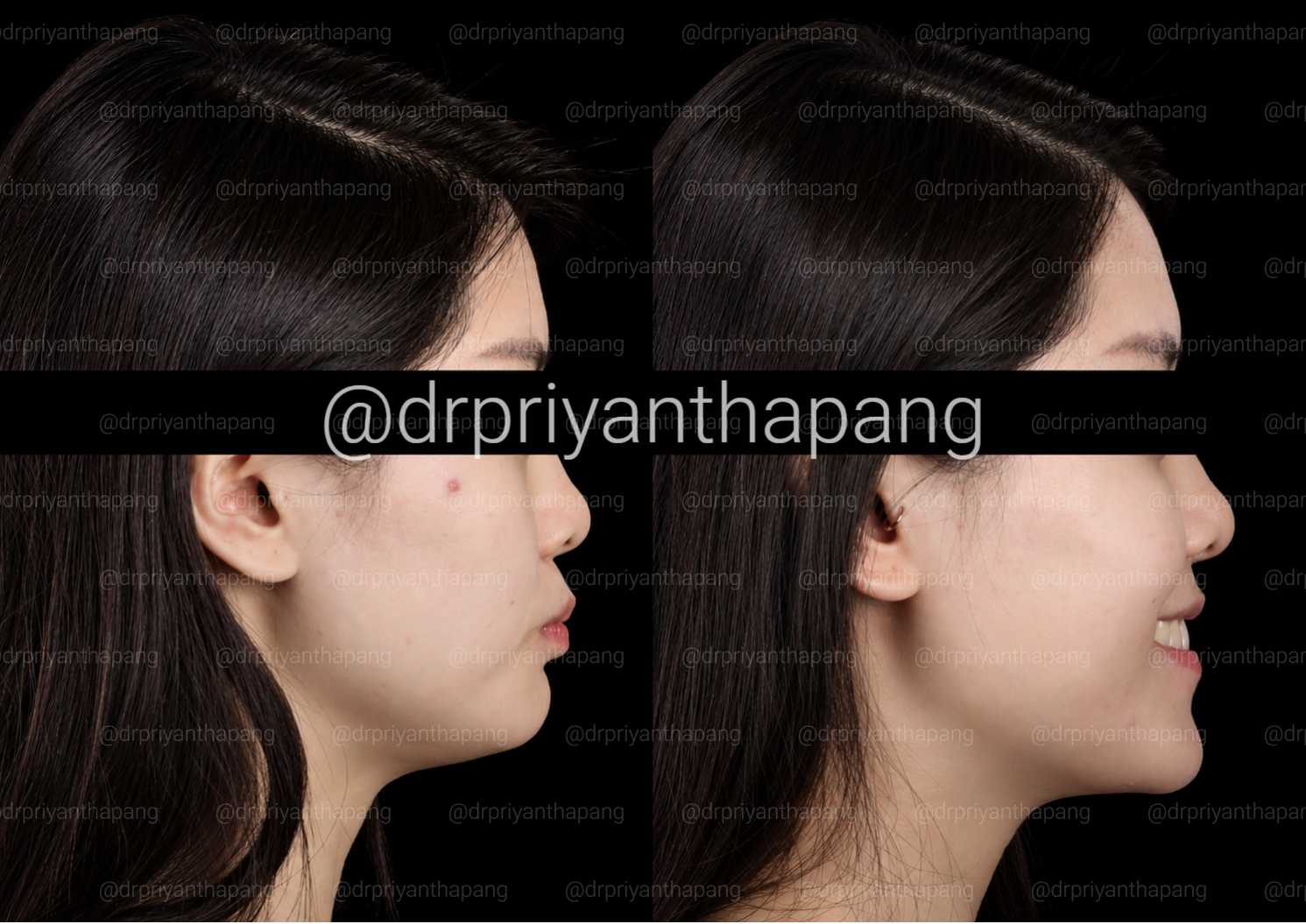
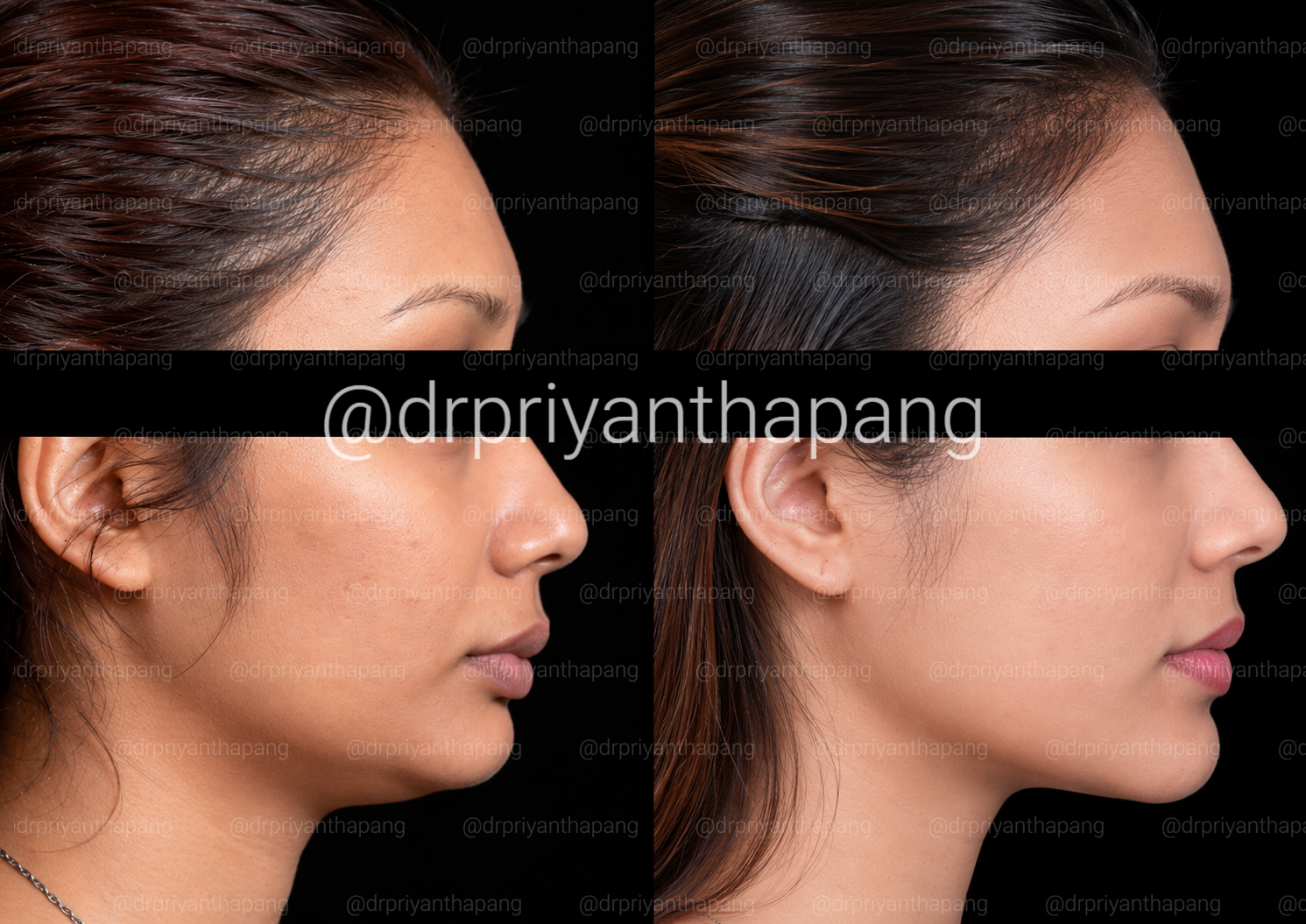
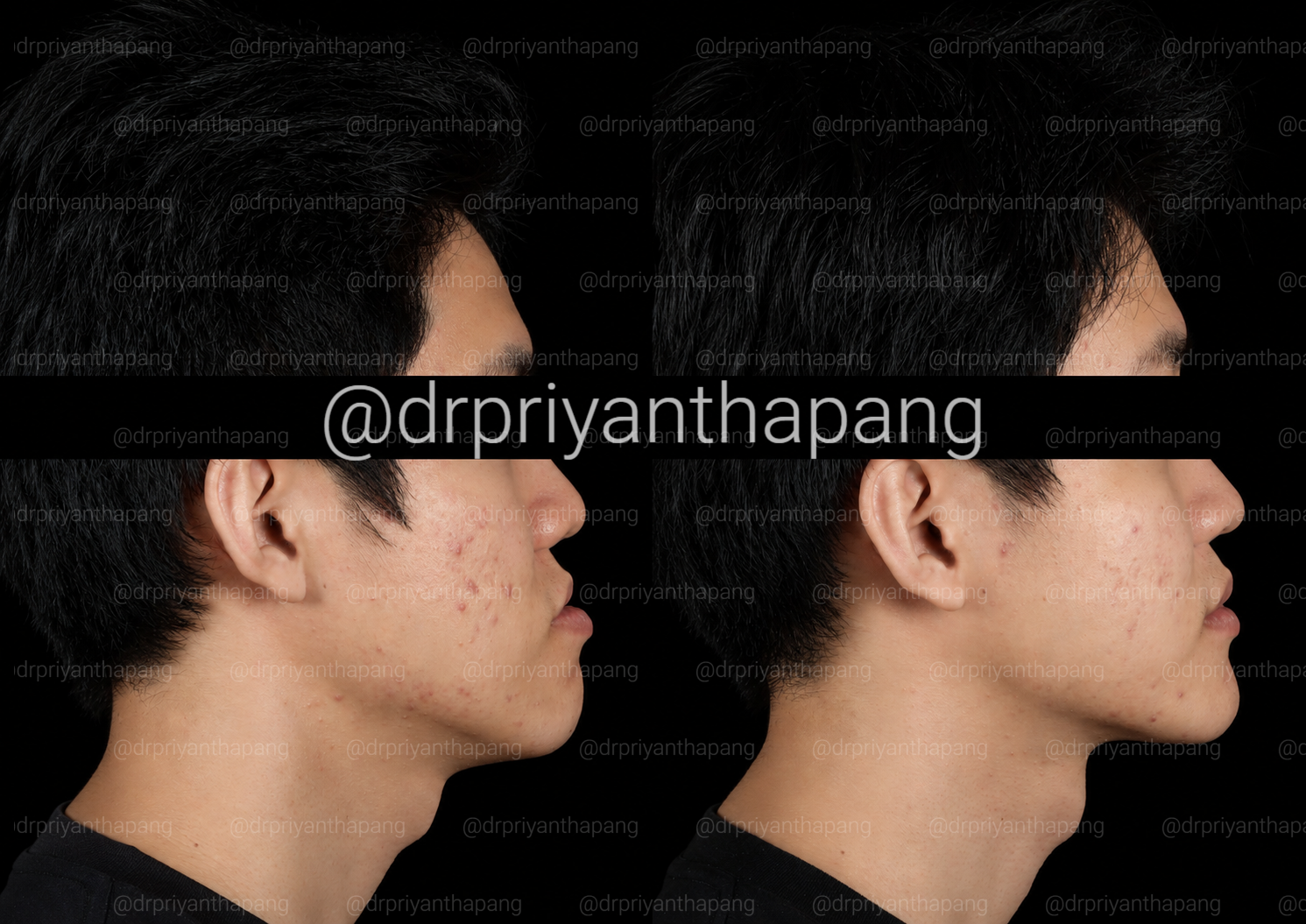
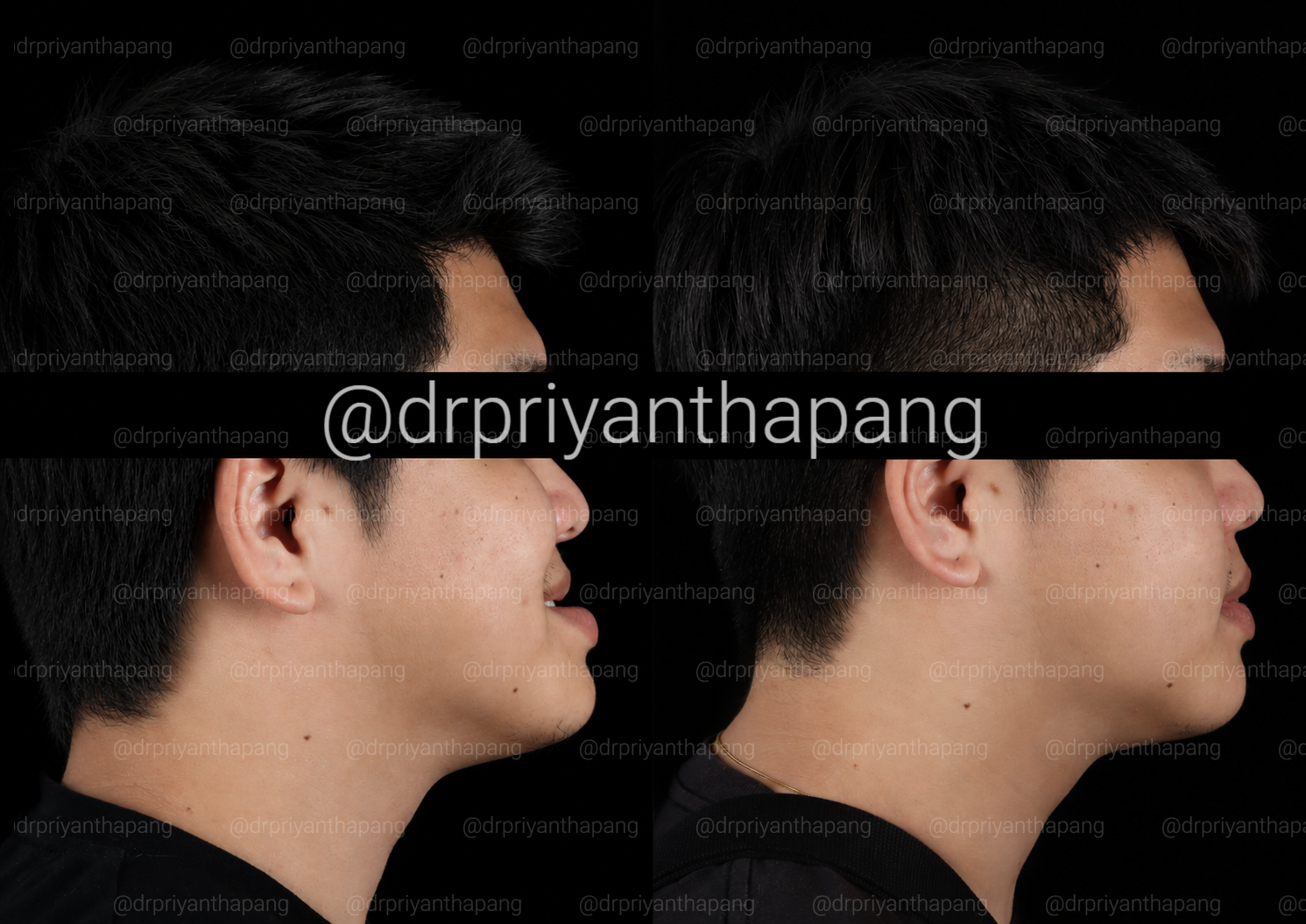
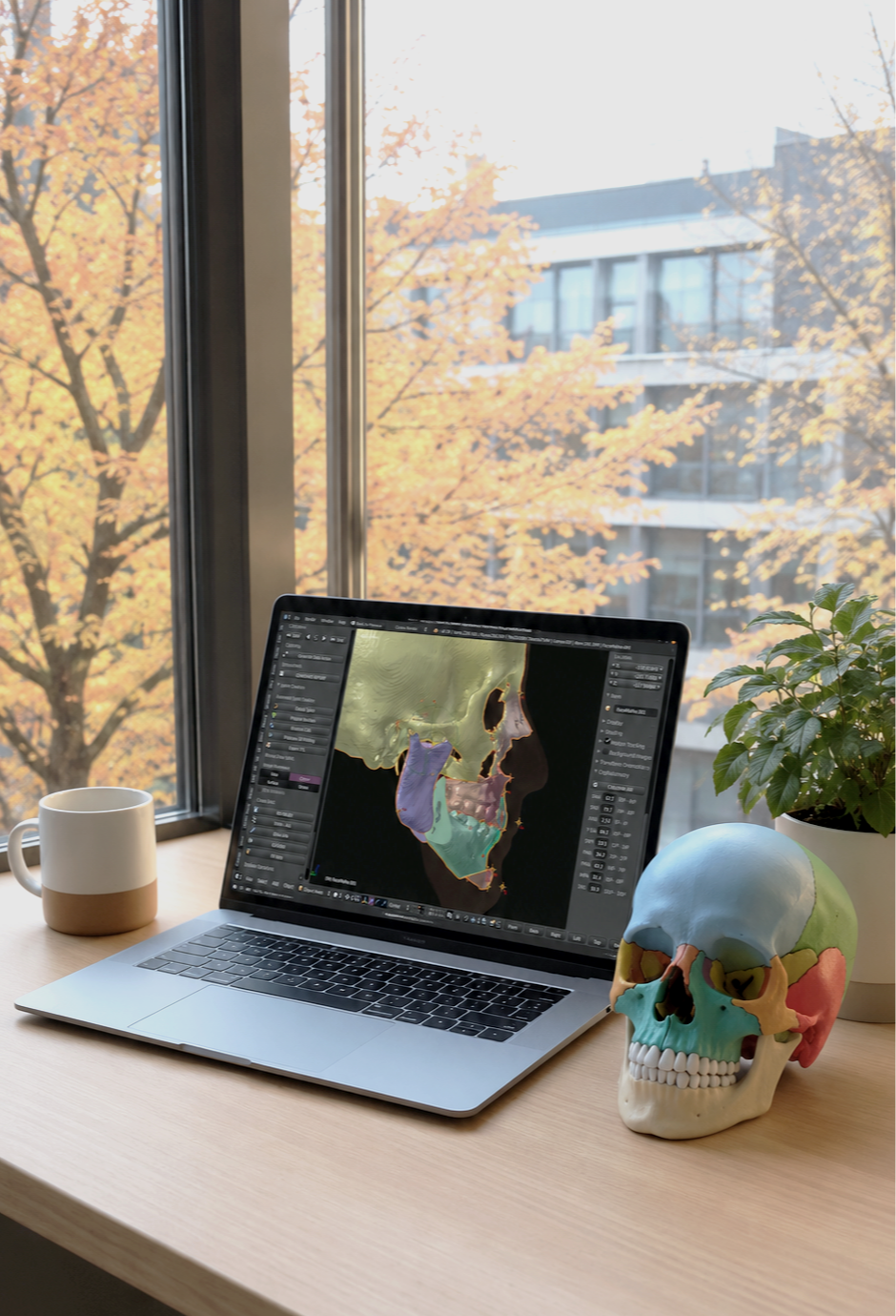
Today, orthognathic surgery is planned using advanced digital technology.
Before surgery, we carefully analyse:
Your facial profile
Your bite relationship
Airway considerations
Dental alignment
Facial symmetry
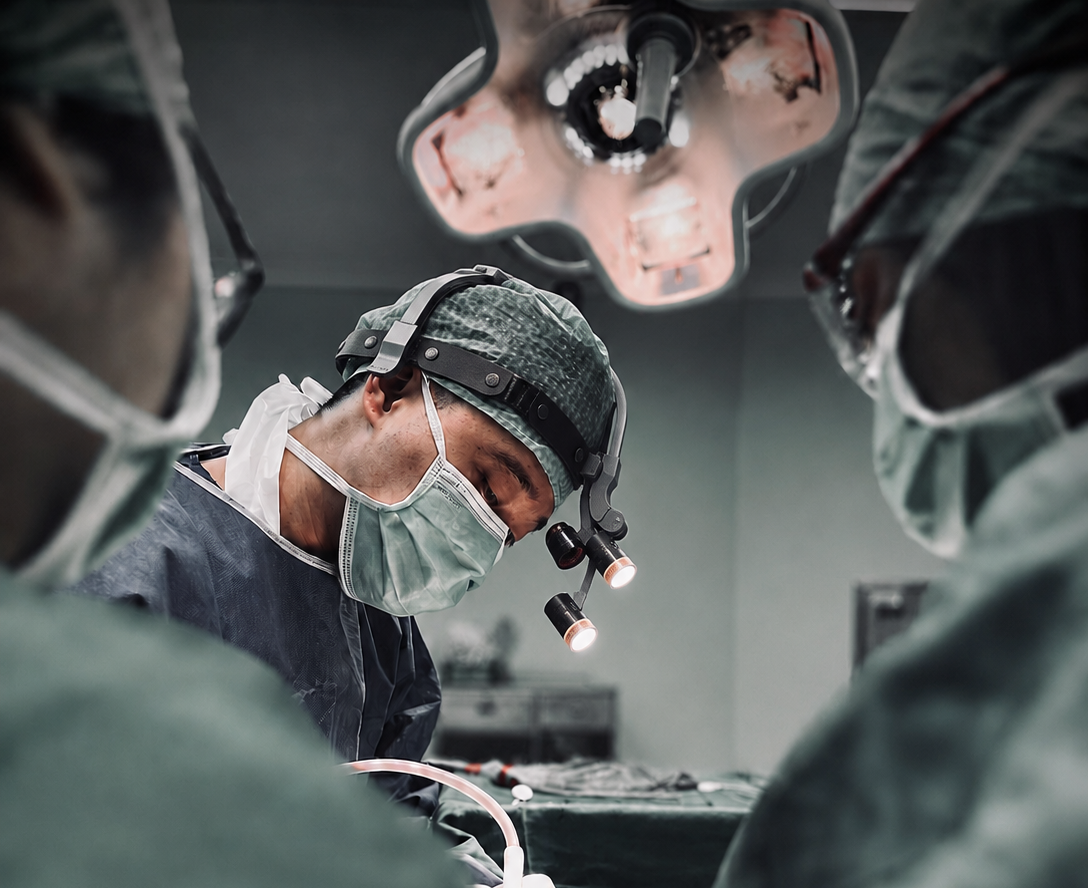
Using 3D virtual planning, we can simulate jaw movements before entering the operating theatre, allowing for greater precision and predictability.
Modern Jaw Surgery Is More Predictable Than Ever
WHY CONSIDER CORRECTIVE JAW SURGERY?
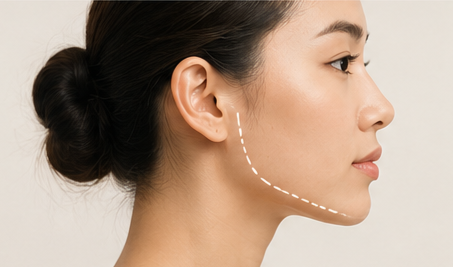
Orthognathic surgery improves facial harmony by correcting jaw discrepancies that affect your profile. Whether you have an underbite, overbite, recessed jaw, or facial asymmetry, treatment creates a naturally balanced appearance while preserving your unique facial features.
Benefits include:
Improved facial profile
Enhanced jawline and chin projection
Better facial symmetry
Increased confidence in your appearance.
Facial harmony
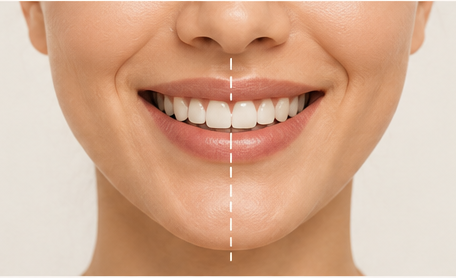
A properly aligned bite is essential for long-term oral health. Corrective jaw surgery improves the way your upper and lower teeth meet, making everyday activities such as chewing and speaking more comfortable while reducing excessive tooth wear and jaw strain.
Benefits include:
Improved chewing efficiency
Stable bite alignment
Better speech function
Reduced jaw discomfort
Bite Function
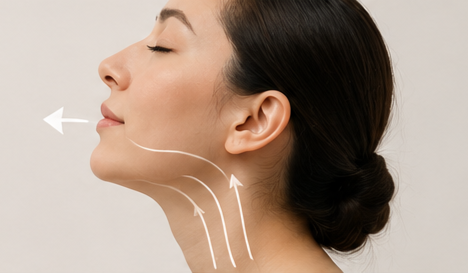
For some patients, jaw position can contribute to a narrow airway and breathing difficulties. By repositioning the jaws, orthognathic surgery may increase airway space, improving breathing and, in selected patients, reducing symptoms associated with obstructive sleep apnoea.
Benefits include:
Improved airway space
Easier breathing
Better sleep quality
Enhanced daily energy and wellbeing.
Better Breathing
FAQs
-
Orthognathic surgery, also known as corrective jaw surgery, is a procedure that repositions the upper jaw, lower jaw, or both to correct jaw misalignment. It improves bite function, facial balance, chewing, speech, and in selected patients, breathing and sleep quality.
-
You may benefit from orthognathic surgery if you have an underbite, overbite, open bite, facial asymmetry, difficulty chewing, jaw pain, or a jaw discrepancy that cannot be corrected with braces alone. A comprehensive consultation and 3D assessment will determine whether jaw surgery is the right treatment for you.
-
Braces can straighten teeth, but they cannot reposition the jaw bones in adults. If the problem is caused by the underlying jaw structure, orthognathic surgery combined with orthodontic treatment is often the most effective solution.
-
Yes. One of the main benefits of orthognathic surgery is improving facial harmony. Correcting the position of the jaws can enhance your side profile, jawline, chin projection, facial symmetry, and smile while maintaining your natural appearance.
-
Most patients experience more swelling and tightness than pain. Modern anaesthesia techniques and pain management protocols help keep you comfortable throughout recovery. Most patients are surprised that recovery is easier than they expected.
-
Most patients return to work or university within 2–4 weeks. Swelling gradually improves over several months, while complete healing of the jaw bones continues for 2 to 6months.
-
Yes, in most cases. Orthodontic treatment helps align your teeth before surgery and fine-tunes your bite afterwards. Together, braces and orthognathic surgery provide a stable, long-term result.
-
For selected patients, yes. Advancing the position of the jaws and chin can increase airway space and improve breathing. Orthognathic surgery may also be recommended as part of the treatment for obstructive sleep apnoea especially in patient with retruded mandible and chin