
Is Jaw Surgery a Predictable Procedure Today?
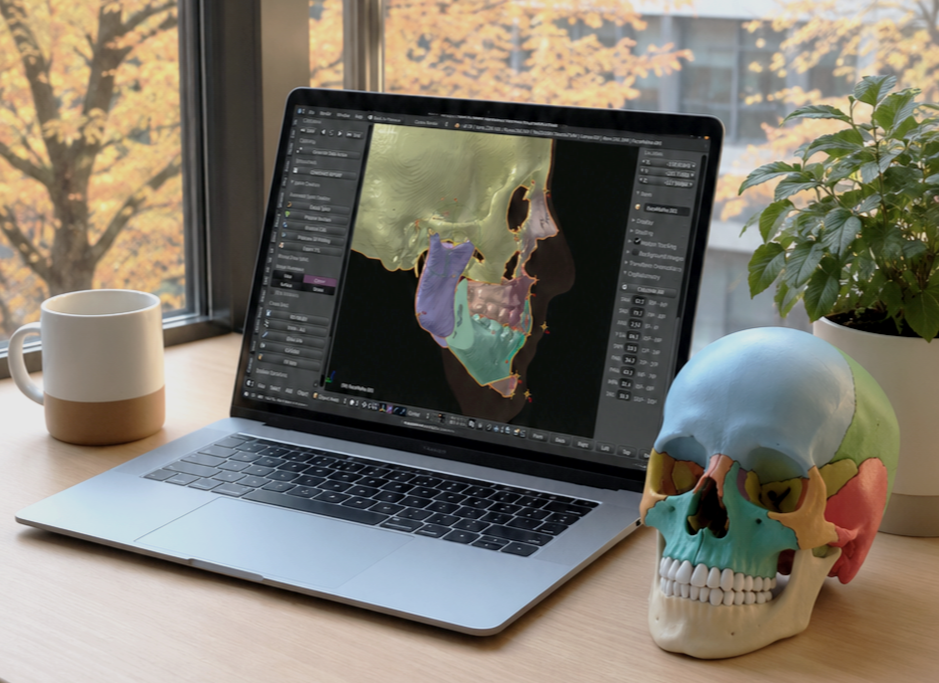
Orthognathic surgery, commonly known as jaw surgery, has advanced significantly over the past two decades. Thanks to modern imaging technology, digital surgical planning, and improved surgical techniques, jaw surgery has become a highly predictable procedure for appropriately selected patients. Today, patients can expect accurate treatment planning, improved safety, and reliable functional and aesthetic outcomes when treated by an experienced Oral and Maxillofacial Surgeon.
What Is Jaw Surgery?
Jaw surgery is performed to correct abnormalities in the position of the upper jaw (maxilla), lower jaw (mandible), or both. It is often recommended for patients with:
A severe underbite or overbite
Facial asymmetry
Difficulty chewing or biting
Speech problems related to jaw position
Obstructive sleep apnoea in selected cases
Jaw deformities caused by trauma or congenital conditions
Orthognathic surgery is usually carried out in collaboration with an orthodontist, with braces or clear aligners used before and sometimes after surgery to achieve the best bite and long-term stability.
Why Is Jaw Surgery More Predictable Than Ever?
Modern technology has transformed the way jaw surgery is planned and performed.
1. Three-Dimensional (3D) Digital Planning
Instead of relying solely on traditional X-rays and plaster models, surgeons now use 3D CT scans, digital dental models, and virtual surgical planning to analyse the patient's facial anatomy with remarkable precision.
This allows the surgical team to simulate different jaw positions before the operation and determine the most appropriate correction based on the patient's facial proportions, bite, and airway.
2. Virtual Surgical Simulation
Using specialised software, the planned jaw movements can be performed virtually before entering the operating theatre. This helps the surgeon evaluate both functional and aesthetic changes, identify potential challenges, and refine the surgical plan.
The result is greater accuracy and consistency during surgery.
3. Patient-Specific Surgical Guides
Many centres now use digitally designed surgical splints or patient-specific guides that accurately transfer the virtual treatment plan to the operating room. These customised guides improve the precision of jaw positioning and help reproduce the planned surgical movements.
4. Stable Fixation Techniques
Modern titanium plates and screws provide rigid fixation of the jaw bones after they are repositioned. In most cases, patients no longer require their jaws to be wired shut, allowing earlier jaw movement, improved comfort, and a smoother recovery.
Is Jaw Surgery Safe?
Like any major surgical procedure, jaw surgery carries risks such as infection, bleeding, temporary or permanent numbness, relapse, and the possibility of additional treatment. However, serious complications are uncommon when surgery is carefully planned and performed by an experienced Oral and Maxillofacial Surgeon.
A thorough assessment—including clinical examination, imaging, and medical evaluation—helps minimise risks and ensures that each patient is an appropriate candidate for surgery.
Does Jaw Surgery Improve Facial Appearance?
Yes—but the primary goal is to restore proper jaw function and a stable bite.
One of the additional benefits of orthognathic surgery is improved facial balance. Correcting jaw position can enhance facial harmony, chin projection, lip support, and overall profile. Because these changes are based on correcting the underlying skeletal structure rather than simply altering soft tissues, the results are generally natural and proportional.
Every patient's facial features are unique, and treatment planning is tailored to their individual anatomy and goals.
How Long Is the Recovery?
Recovery varies from person to person.
Most patients stay in hospital for one to three days, depending on the procedure performed. Swelling usually peaks within the first few days and gradually improves over two to three weeks, while complete healing of the jaw bones continues over several months.
Most patients can return to school or office-based work within two to four weeks, although strenuous activities should be avoided until advised by the surgical team.
Following your surgeon's instructions regarding diet, oral hygiene, and follow-up appointments is essential for a smooth recovery.
Who Is a Good Candidate for Jaw Surgery?
Jaw surgery may be recommended for patients whose jaw discrepancy cannot be corrected with orthodontic treatment alone. Good candidates are typically healthy individuals with completed facial growth who are committed to the orthodontic and surgical process.
A comprehensive consultation allows your surgeon to assess your concerns, review imaging, and explain whether orthognathic surgery is likely to benefit your function and facial balance.
The Bottom Line
Modern orthognathic (jaw) surgery is one of the most carefully planned procedures in Oral and Maxillofacial Surgery. Advances in 3D digital imaging, virtual surgical planning, and precise fixation techniques have made treatment more accurate and predictable than ever before.
While every surgical procedure carries some risk and outcomes can vary between individuals, today's technology allows surgeons to plan treatment with exceptional precision and deliver consistently reliable functional and aesthetic improvements for appropriately selected patients.
If you have been told you may need jaw surgery or would like to explore treatment for a bite problem, facial asymmetry, or jaw deformity, consult an experienced Oral and Maxillofacial Surgeon. A personalised assessment and digital treatment plan can help you understand your options and what results you can realistically expect.
