
Wisdom Tooth Removal: Why Delaying Treatment Can Lead to Serious Problems
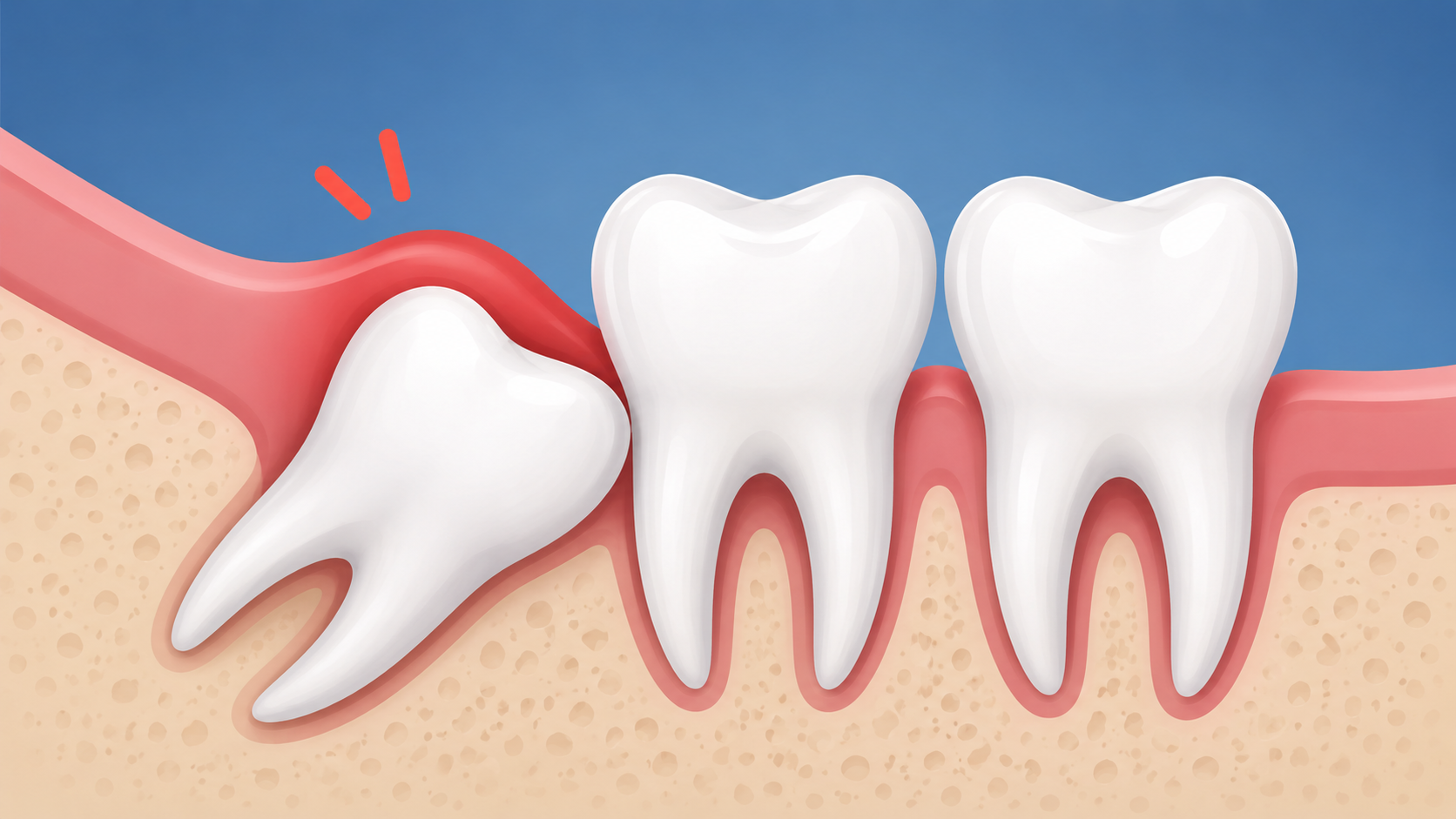
Wisdom teeth, also known as third molars, are the last permanent teeth to erupt, usually between the ages of 17 and 25. While some people have enough space for these teeth to grow normally, many experience impacted wisdom teeth that remain trapped beneath the gums or emerge only partially. Left untreated, impacted wisdom teeth can cause pain, infection, damage to neighbouring teeth, and other oral health complications.
If your dentist has recommended wisdom tooth removal, it is often because early treatment can prevent more complex problems in the future.
Why Should Impacted Wisdom Teeth Be Removed?
Many patients ask, "My wisdom teeth don't hurt—why remove them?"
The truth is that impacted wisdom teeth can remain symptom-free for years while silently causing damage. Regular dental examinations and panoramic X-rays often detect problems before pain develops.
1. Recurrent Infection (Pericoronitis)
Partially erupted wisdom teeth create a flap of gum where bacteria and food become trapped. This can lead to pericoronitis, an infection causing pain, swelling, difficulty opening the mouth, bad breath, and occasionally fever. Once an infection occurs, it frequently returns unless the wisdom tooth is removed.
2. Damage to Adjacent Teeth
An impacted wisdom tooth often pushes against the neighbouring second molar. This pressure may cause tooth decay, gum disease, or root resorption, permanently damaging an otherwise healthy tooth and increasing the need for more extensive treatment.
3. Tooth Decay
Because wisdom teeth are difficult to clean, plaque and food debris easily accumulate around them. Cavities commonly develop on both the wisdom tooth and the adjacent molar, sometimes making restoration impossible.
4. Gum Disease and Bone Loss
Chronic inflammation around impacted wisdom teeth can lead to periodontal disease. Over time, infection may destroy the supporting bone around nearby teeth, affecting their long-term health.
5. Cysts and Other Jaw Problems
Although less common, impacted wisdom teeth can be associated with cysts that slowly expand within the jawbone. These cysts may damage surrounding bone, neighbouring teeth, and occasionally require more extensive surgery if left untreated.
Is It Better to Remove Wisdom Teeth Early?
Yes. In most cases, early wisdom tooth removal is associated with:
Easier surgery
Faster healing
Less swelling
Lower risk of complications
Better protection for neighbouring teeth
As we age, wisdom tooth roots become longer and the surrounding jawbone becomes denser, making surgery technically more difficult and recovery slower.
Can All Four Wisdom Teeth Be Removed at the Same Time?
For many patients, the answer is yes.
Removing all four wisdom teeth during a single procedure is often the most convenient and efficient approach. Benefits include:
Only one surgical appointment
One recovery period instead of multiple recoveries
Less time away from work or university
Reduced overall treatment cost compared with separate procedures
Avoiding repeated anxiety associated with multiple surgeries
Your oral and maxillofacial surgeon will determine whether removing all wisdom teeth at once is appropriate based on your overall health, the position of your teeth, and the complexity of the surgery.
Wisdom Tooth Removal Under IV Sedation
Many patients feel anxious about wisdom tooth surgery. Fortunately, IV sedation for wisdom tooth removal provides a safe and comfortable option.
With intravenous (IV) sedation, you remain deeply relaxed throughout the procedure while continuing to breathe on your own. Most patients have little or no memory of the surgery and experience significantly less anxiety compared with treatment under local anaesthesia alone.
IV sedation is particularly beneficial for patients who:
Need multiple wisdom teeth removed
Have deeply impacted wisdom teeth
Feel anxious or fearful about dental treatment
Have a strong gag reflex
Prefer a more comfortable surgical experience
Your surgeon will carefully assess your medical history to determine whether IV sedation is suitable for you and will explain the procedure and recovery process in detail.
When Should You See an Oral and Maxillofacial Surgeon?
You should seek an assessment if you experience:
Pain behind your back teeth
Swollen or infected gums
Difficulty opening your mouth
Food frequently becoming trapped around wisdom teeth
Repeated infections
Swelling of the face or jaw
Your dentist recommends evaluation of impacted wisdom teeth
Even if you have no symptoms, regular assessment with clinical examination and panoramic X-rays can identify hidden problems before they become serious.
Protect Your Oral Health with Early Treatment
Not every wisdom tooth requires removal. However, impacted or poorly positioned wisdom teeth should be carefully evaluated before complications develop. Early diagnosis and timely treatment can prevent infection, preserve neighbouring teeth, and reduce the complexity of surgery.
If you have been advised to consider wisdom tooth removal, consult an experienced Oral and Maxillofacial Surgeon to discuss your treatment options, including removal of all wisdom teeth in a single procedure and IV sedation for a safer, more comfortable surgical experience.
Looking for expert wisdom tooth removal in Malaysia? Dr. Priyantha Pang provides comprehensive assessment and surgical management of impacted wisdom teeth, including complex extractions and IV sedation, using modern techniques to maximise patient comfort, safety, and recovery.
